
Artificial Intelligence and Technology in India’s Insolvency Ecosystem
AI can help India’s insolvency ecosystem only if it is treated as institutional infrastructure, not as a substitute for professional judgment.
AI can help India’s insolvency ecosystem only if it is treated as institutional infrastructure, not as a substitute for professional judgment.

India’s insolvency framework was built around visible assets, but many modern businesses carry most of their value in data, software, users, contracts, and network effects.
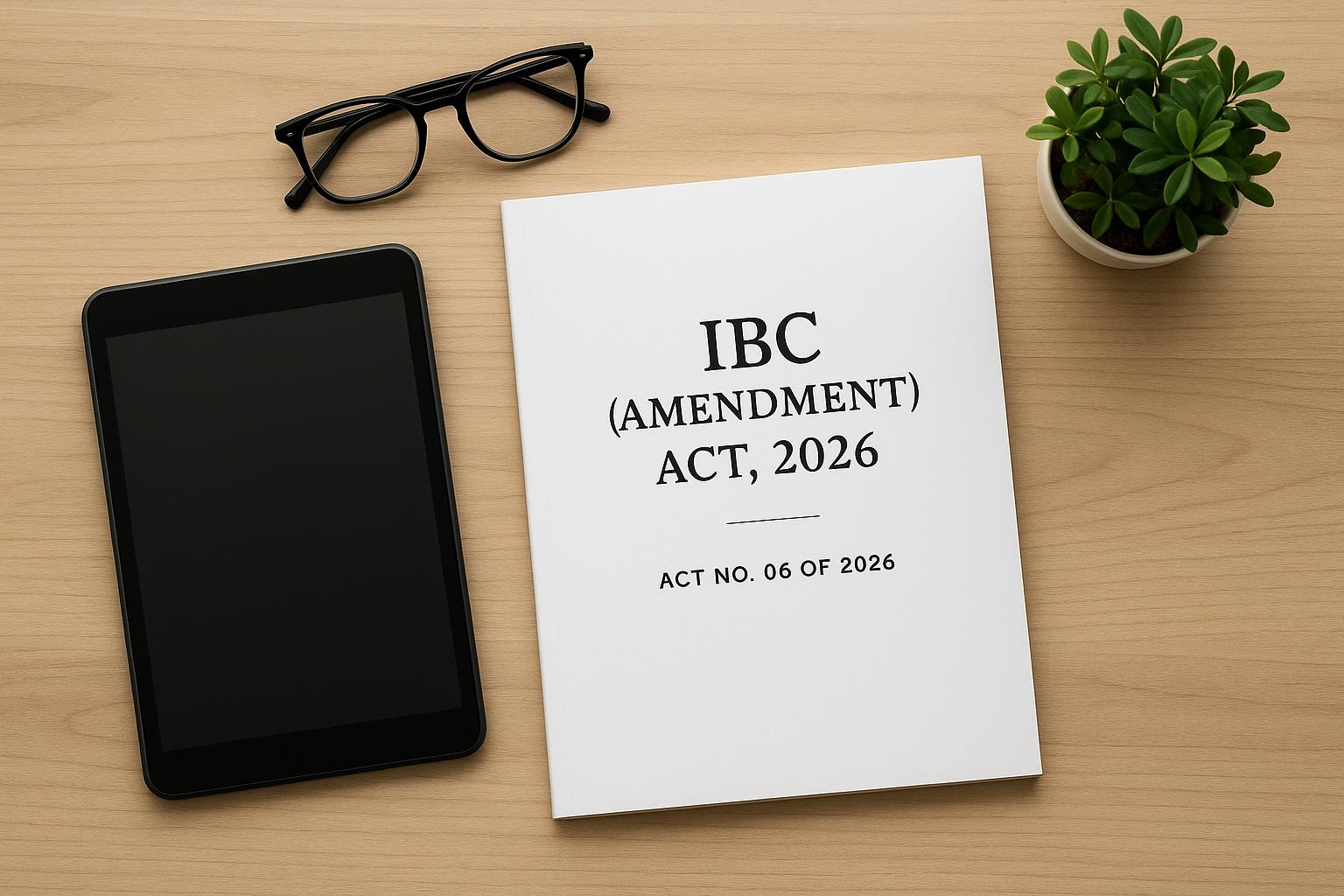
The IBC Amendment Act, 2026 marks a shift from repairing individual gaps to preparing India’s insolvency framework for the next phase of institutional use.

Reverse CIRP has emerged from real estate insolvency cases where homebuyers need completed homes more than a conventional liquidation-style process.

Valuation sits at the centre of insolvency outcomes, but its credibility depends on process discipline as much as expert opinion.
Ten years of the IBC show a major institutional achievement, but the next question is whether India can build one of the world’s best insolvency regimes.

Preventive restructuring matters because distress often becomes harder to solve once formal insolvency has already begun.

Indian real estate needs an early-warning framework that catches stress before buyers, lenders, and projects are pushed into insolvency.
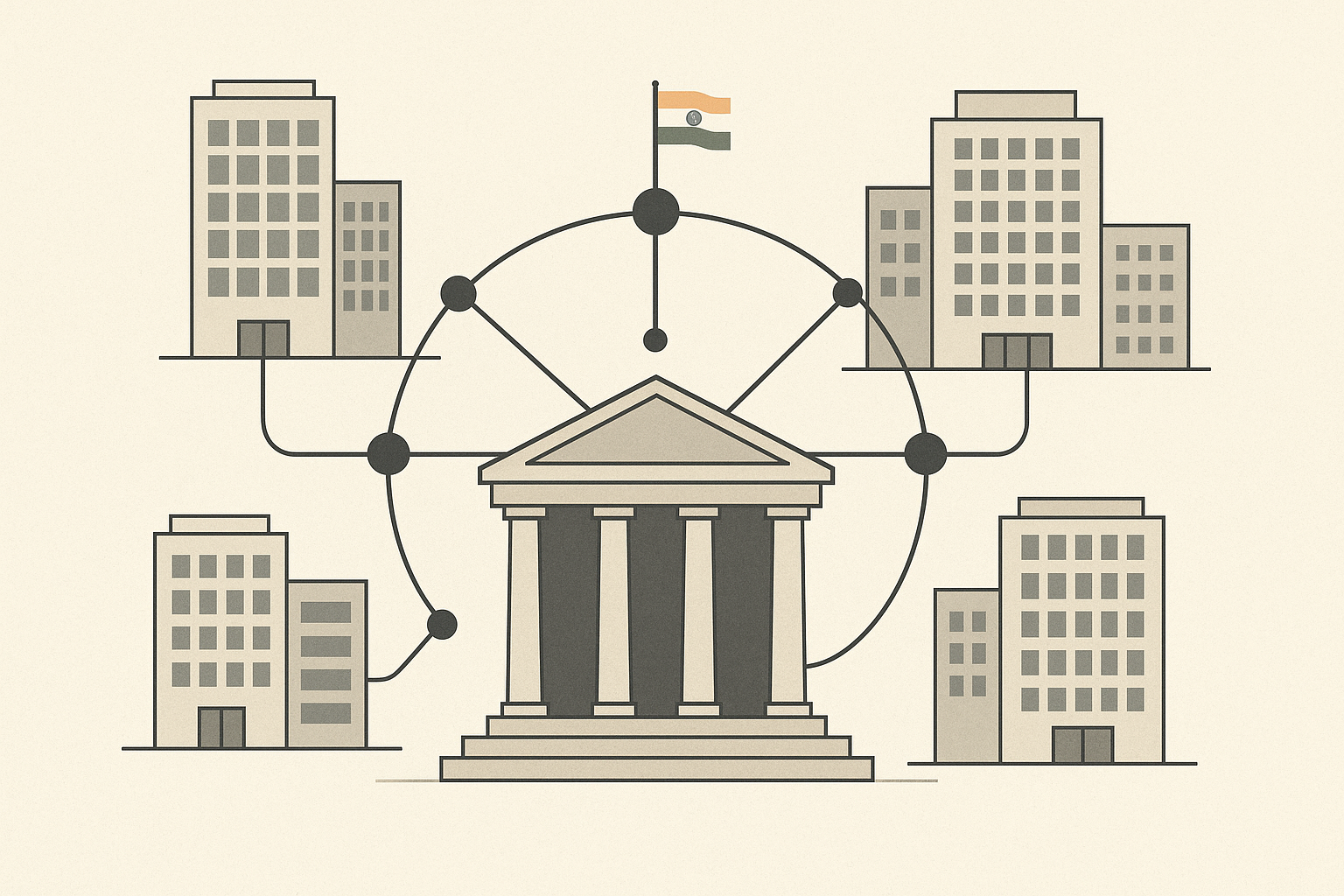
India’s insolvency professional agency structure raises a practical question: whether multiple agencies improve discipline or dilute accountability.

Asset tracing is often the difference between a paper recovery process and a meaningful insolvency outcome.
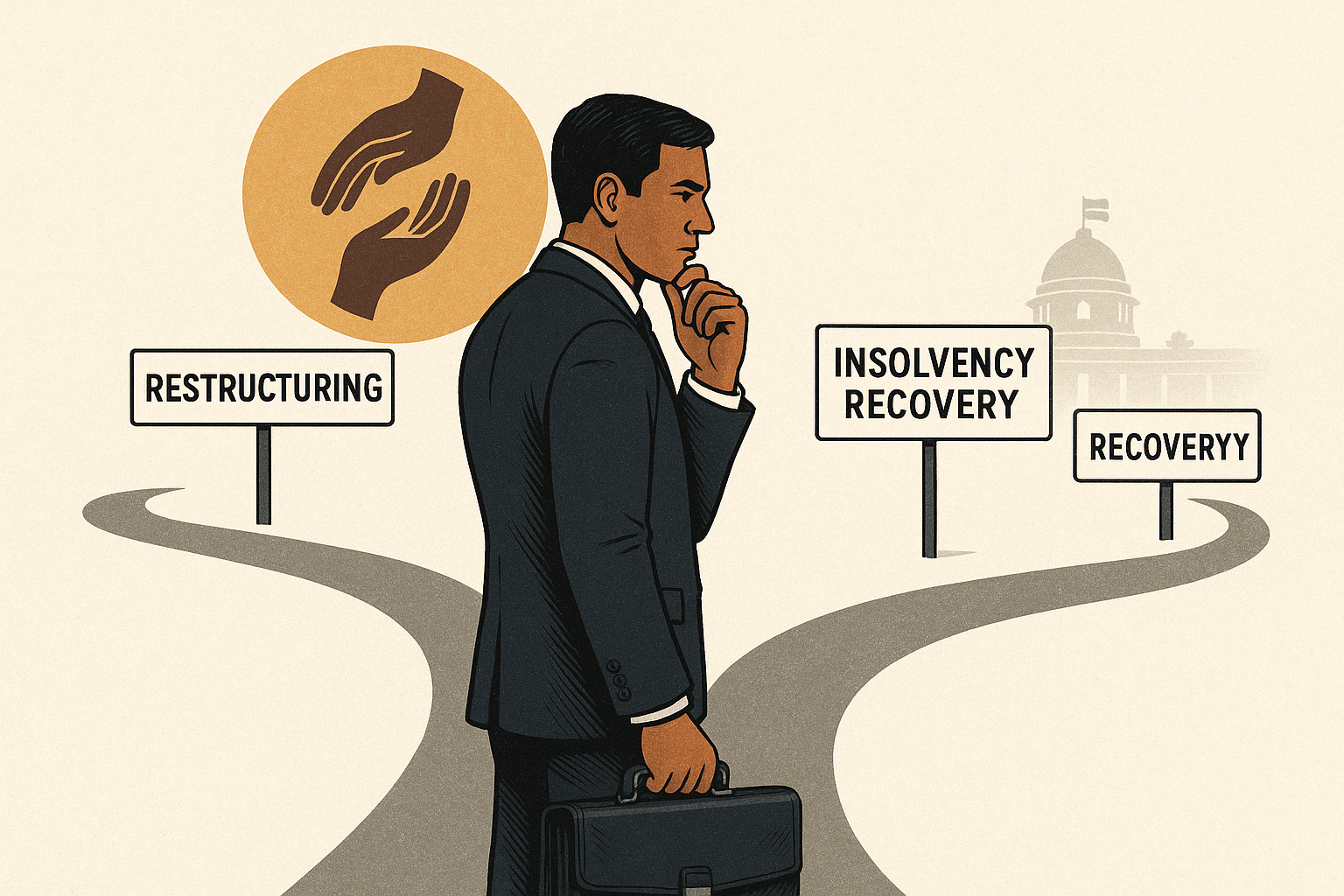
Entrepreneur debt distress needs a support architecture that helps viable small businesses resolve pressure before failure becomes irreversible.